
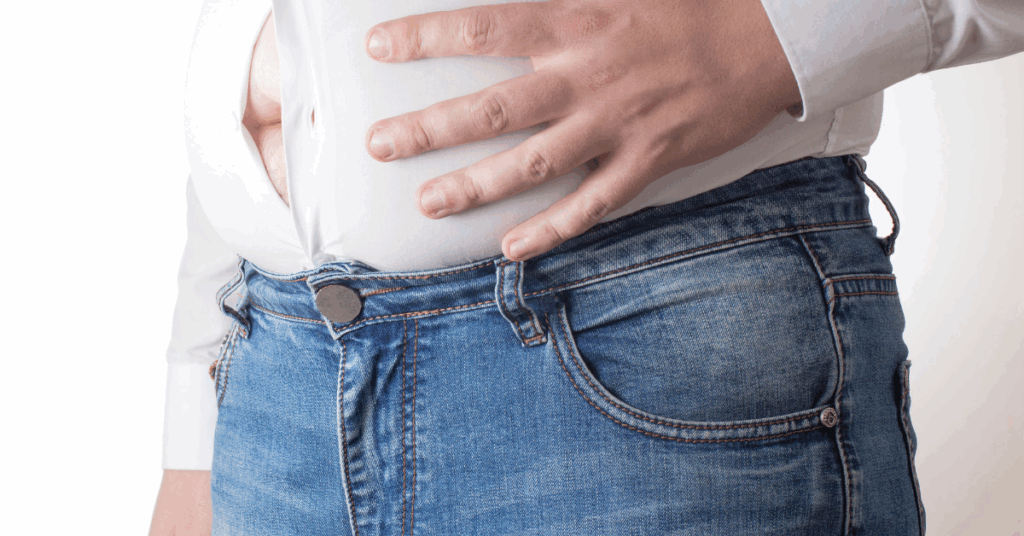
Bloating after surgery affects many patients, especially those recovering from abdominal or weight loss procedures. It feels like tightness, fullness, or swelling in the stomach. You may notice pressure or discomfort that won’t go away. For some, it causes gas, cramping, or even nausea. This symptom can interfere with your recovery, sleep, and daily comfort.
Understanding Bloating After Surgery
Several reasons explain bloating after surgery. First, your body reacts to anesthesia, medications, and physical changes from the procedure. Second, your digestive system slows down during recovery. This slower movement leads to trapped gas and reduced bowel activity. If you had abdominal or weight loss surgery, your organs need time to adjust.
Digestive Sluggishness and Its Role
After surgery, your intestines move slower than usual. This delay causes gas buildup and bloating. Pain medication also contributes. Many post-operative drugs slow digestion further. You may feel like your stomach won’t empty or process food. This condition can last days or weeks, depending on the surgery and your recovery.
The Effect of Anesthesia and Painkillers
General anesthesia impacts your entire body. It slows the nervous system, including your digestive tract. Painkillers such as opioids cause constipation and bloating. They change how your gut absorbs water and moves waste. These effects explain why bloating after surgery is so persistent and frustrating for many patients.
Bloating After Bariatric Surgery
Weight loss surgery, especially gastric sleeve or bypass, often leads to bloating. Your stomach and intestines go through major changes. Food moves differently. You produce less stomach acid and enzymes. These shifts trigger gas buildup, discomfort, and irregular bowel movements. Bloating after surgery can be intense in the first weeks.
How Abdominal Gas Builds Up
During surgery, doctors sometimes use gas to expand your abdomen. This gas helps them see and work more easily. But some of it remains afterward. It causes pressure, shoulder pain, and bloating. This leftover gas can take time to exit your body. Movement and walking help speed up the process.
Foods That Make It Worse
After surgery, your body becomes more sensitive to certain foods. Dairy, beans, carbonated drinks, and high-fat meals can trigger gas. Eating too fast also causes swallowing air, which increases bloating. It’s important to chew slowly, eat small portions, and avoid hard-to-digest foods during recovery.
How to Relieve Bloating After Surgery Naturally
Several strategies can ease bloating after surgery. First, drink warm water to relax your gut. Second, walk regularly to help gas move through your intestines. Third, try peppermint tea or ginger, both known to reduce gas and stomach pressure. Breathing exercises also improve digestion and reduce abdominal tension.
When to Call Your Doctor
Sometimes bloating after surgery signals a serious issue. Call your doctor if you feel sharp pain, fever, or cannot pass gas. Also seek help if your belly becomes hard or distended. These may point to an obstruction or infection that needs immediate attention. Never ignore new or worsening symptoms.
Preventing Future Bloating Episodes
To avoid future bloating, first follow a post-surgical diet plan closely. Additionally, stay hydrated throughout the day. When possible, eat fiber as recommended to support digestion. However, limit salt and processed foods, as they tend to cause water retention and discomfort. After eating, avoid lying flat, as this can worsen the bloating sensation. Moreover, keep a journal of foods that trigger symptoms. Over time, this record can help your care team tailor your recovery and meal plan more effectively. In the end, small adjustments can make a big difference in long-term comfort.
Supplements and Medical Support
Digestive enzymes may help if your body struggles to break down food. Probiotics can balance gut bacteria and ease bloating. Always consult your doctor before starting supplements. If needed, they can prescribe medications to improve digestion and reduce discomfort. Support is available if natural remedies don’t work.
Emotional Impact of Bloating After Surgery
Bloating after surgery affects more than your stomach. It can make you feel discouraged or anxious about your recovery. You may worry something is wrong. You might feel frustrated when clothes don’t fit or your body feels unfamiliar. These emotions are normal. Talk to your doctor, support groups, or therapist if needed.
Talking to Your Doctor: What to Ask
Bring up bloating in your follow-up visits. Ask what’s normal and what’s not. Share your food log. Mention what triggers symptoms. Inquire about safe remedies. Your care team wants to help you feel comfortable and supported during healing. Open communication speeds your recovery and reduces worry.
Understanding Long-Term Expectations
Some patients experience bloating after surgery for months. But for most, it improves steadily with time. Your body heals in stages. Digestive function returns gradually. Set realistic expectations. Track your progress. Celebrate small milestones. If bloating lingers, don’t assume you must live with it. Solutions exist.
Bloating after surgery is temporary for most people. It may feel frustrating now, but it does not mean something is wrong. With the right steps, you can relieve symptoms, heal fully, and return to feeling like yourself. Listen to your body. Ask questions. Don’t be afraid to speak up. Relief is possible.
Ready to feel better? Contact our clinic today to speak with a specialist or schedule a follow-up. Visit our Contact Us page to get started!