
Many people across the United States are learning more about the strong connection between Weight loss and diabetes (blood sugar) as diagnosis rates continue to rise. Diabetes affects millions of Americans each year. It develops when the body cannot properly manage blood sugar levels. Accordingly, uncontrolled diabetes can lead to serious complications. Excess body weight is one of the most important risk factors. Because extra fat interferes with insulin function, blood sugar may remain high. Therefore, understanding this relationship is essential for prevention and treatment. Especially in communities facing high obesity rates, lifestyle changes can make a meaningful difference. This article explains why losing weight is a highly effective way to manage diabetes and improve long term health outcomes.
Weight loss and diabetes: understanding the biological connection
The relationship between Weight loss and diabetes is supported by decades of research. Generally, excess weight contributes to insulin resistance. Insulin is the hormone that helps move sugar from the bloodstream into cells. However, when cells resist insulin, sugar builds up in the blood. Consequently, blood glucose levels increase. In fact, insulin resistance is a central feature of type 2 diabetes. Particularly fat stored around the abdomen worsens this process.
On one hand, genetics influence diabetes risk. On the other hand, lifestyle choices strongly affect whether the disease develops. Because unhealthy eating patterns promote weight gain, blood sugar control becomes more difficult. Similarly, physical inactivity reduces how efficiently the body uses glucose. Accordingly, reducing body weight can improve insulin sensitivity. Even modest weight reduction often produces measurable improvements. Therefore, healthcare providers frequently recommend weight loss after diagnosis.
Research shows that losing five to ten percent of body weight can significantly lower blood sugar levels. That amount may not seem large. However, it can reduce the need for medication. Especially in early type 2 diabetes, weight loss may lead to partial remission. Meanwhile, individuals with prediabetes can delay or prevent progression. In brief, weight management addresses a root cause of the condition.
Why losing weight works
Understanding why Weight loss and diabetes management are closely connected helps people stay motivated. Basically, excess body fat disrupts normal hormone balance. This disruption makes insulin less effective. Consequently, the pancreas must work harder to produce more insulin. Over time, this strain can reduce insulin production. When weight decreases, insulin works more efficiently. Accordingly, blood sugar levels stabilize more easily.
Losing weight also reduces inflammation in the body. Chronic inflammation is linked to metabolic problems. In fact, lowering inflammation supports healthier blood vessels. Therefore, the risk of diabetes related complications declines. Similarly, weight reduction improves cholesterol levels and blood pressure. These improvements protect heart health, which is especially important for people with diabetes.
Physical activity enhances these benefits. Although diet plays a central role, exercise increases how muscles use glucose. Muscles burn sugar for energy. Consequently, blood sugar drops during and after movement. Even moderate exercise, such as brisk walking, can improve control. Accordingly, combining balanced meals with regular activity produces stronger outcomes. Particularly for adults with type 2 diabetes, this combination is powerful.
Another benefit involves liver health. Excess weight often leads to fat buildup in the liver. This buildup affects how the liver releases sugar into the bloodstream. However, losing weight can reduce liver fat. Therefore, glucose regulation improves. In summary, weight loss influences multiple systems that control blood sugar.
Weight loss and diabetes compared to medication alone
When discussing Weight loss and diabetes, many people wonder how lifestyle changes compare with medication. Medications are often necessary and effective. However, they may come with side effects. Accordingly, doctors usually recommend combining medication with healthy lifestyle habits. Especially in newly diagnosed individuals, weight loss may delay the need for additional drugs.
On one hand, medication can lower blood sugar quickly. On the other hand, weight loss addresses the underlying cause in many cases. Consequently, it offers broader health benefits. It can improve energy levels and sleep quality. Likewise, it may enhance mental well being. In fact, sustainable lifestyle changes support overall health beyond glucose control.
Similarly, reducing intake of processed carbohydrates helps stabilize blood sugar. These dietary adjustments often lead to gradual weight loss. Accordingly, nutrition and weight management reinforce each other. Meanwhile, stress management also plays a role. Chronic stress hormones can raise blood sugar temporarily. Therefore, relaxation practices complement other strategies.
In brief, medication and weight loss are not opposing approaches. They work best together. However, losing weight remains one of the most effective non drug methods available. Particularly for overweight individuals, it directly targets insulin resistance. Unless other medical conditions limit physical activity, lifestyle changes are strongly encouraged.
Practical strategies to strengthen Weight loss and diabetes outcomes
Improving Weight loss and diabetes outcomes requires realistic planning. Extreme diets are difficult to maintain. Instead, gradual changes produce lasting results. Accordingly, focusing on portion control can be effective. Choosing whole foods over processed items also supports blood sugar stability. Because packaged foods often contain added sugars, limiting them is helpful.
Regular movement strengthens diabetes management. Walking for thirty minutes most days is a good starting point. Similarly, light strength training improves how muscles use glucose. The key is consistency rather than intensity. Therefore, building habits slowly increases success. Particularly for beginners, small goals prevent discouragement.
Support systems also improve long term outcomes. Family encouragement makes healthy habits easier. Likewise, community programs offer education and accountability. In fact, many healthcare providers provide diabetes education sessions. These programs teach meal planning and monitoring skills. Consequently, individuals feel more empowered to manage their health.
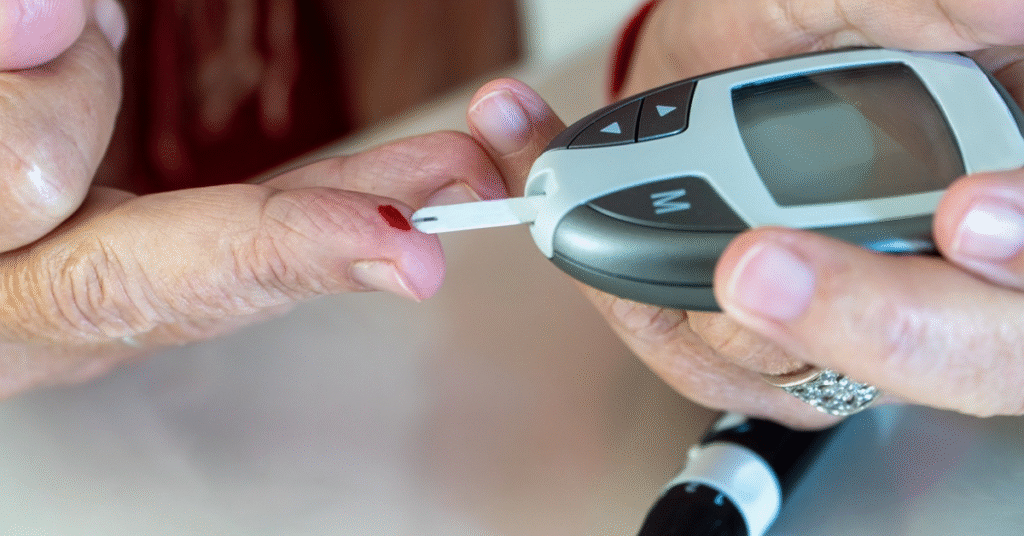
Monitoring progress remains important. Checking blood sugar regularly provides immediate feedback. Seeing improvements can increase motivation. Accordingly, tracking weight changes helps measure success. However, patience is essential. Sustainable weight loss takes time. Therefore, focusing on steady progress leads to better long term control.
In conclusion, the connection between Weight loss and diabetes is clear and powerful. Excess weight increases insulin resistance and raises blood sugar levels. Consequently, losing weight can significantly improve glucose control. It enhances insulin sensitivity, reduces inflammation, and supports organ health. Accordingly, weight management is one of the most effective ways to manage type 2 diabetes. Especially in the United States, where diabetes rates remain high, lifestyle changes offer hope and control. By adopting balanced nutrition and consistent physical activity, individuals can take meaningful steps toward better health. In brief, sustainable weight loss empowers people to reduce risks and live more confidently with diabetes.
Contact Us:
To all residents of Tampa, Florida: We’re excited to announce the opening of our new clinic specializing in weight loss. In addition, our clinic offers laser surgery procedures, aesthetic treatments, and more. For information or to schedule an appointment, visit us at IBI Clinic, 5931 Webb Rd, Tampa, FL 33615, or call us today at +1 (813) 499-0044.
Do you have questions or want to learn more about our treatments? At IBI Laser Therapy, we’re here to help. Our team of experienced doctors is ready to provide the guidance and care you need. Contact us today and take the next step toward better health and wellness. Click here to schedule your appointment or request more information.