Understanding surgery after weight loss
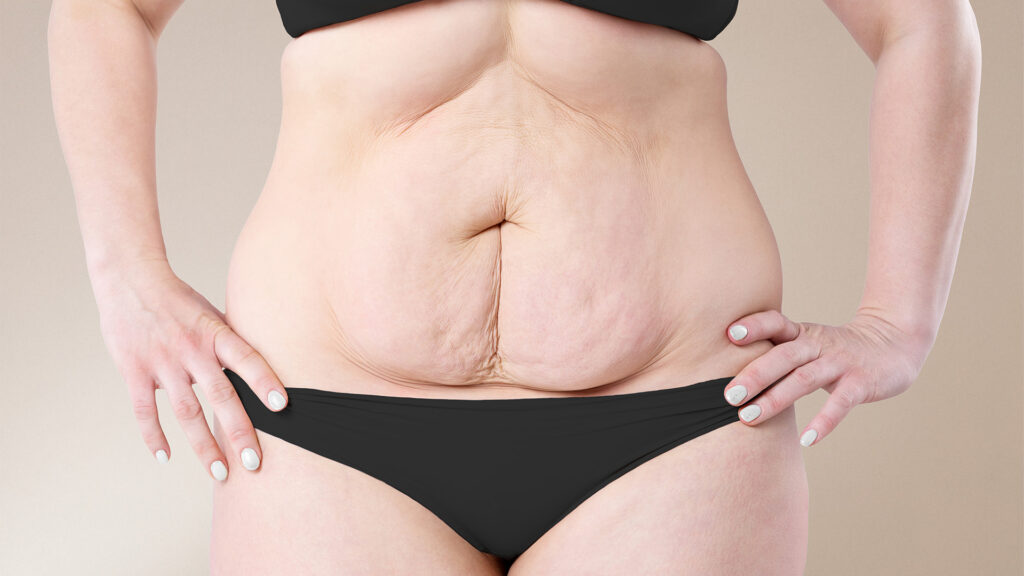
Losing a significant amount of weight can bring meaningful changes to your body and overall health. However, stretched skin may remain after reaching your weight-loss goals. For some people, surgery after weight loss can help address areas affected by excess skin. The ideal timing depends on several factors, including weight stability and general health. Therefore, reaching a stable weight is usually an important first step. Your body may continue changing if you are still losing weight. Consequently, waiting can help create more predictable conditions for treatment. A consultation with a qualified surgeon can help determine whether you are ready. It can also help you understand which options may fit your individual goals.
Why stable weight matters before surgery after weight loss
Your weight should generally remain stable before considering cosmetic surgery. Continued weight loss can change the amount and location of excess skin. Therefore, surgery performed too early may produce results that change later. Many surgeons prefer patients to remain near their goal weight for several months. This period allows the body to adjust after significant weight changes. It also provides time to focus on healthy nutrition and overall wellness. Although each person has different needs, stability is an important consideration. Your healthcare team can monitor your progress and help determine when your weight has settled. In fact, careful preparation can make the surgical planning process more predictable.
When should surgery after weight loss be considered?
There is no single waiting period that applies to everyone. The right time depends on how much weight you lost and how your body changed. Generally, you should be close to your desired weight before discussing surgery. Your weight should also remain reasonably consistent rather than continuing to decrease significantly. Your overall health is another important consideration. Specifically, your doctor may evaluate whether you are ready for an elective procedure. Excess skin can affect the abdomen, arms, thighs, breasts, or other areas. Some people may have concerns in several areas at once. Therefore, a surgeon can evaluate your individual situation and explain which areas may benefit from treatment.
Preparing for surgery after weight loss
Your weight-loss method may also influence your preparation for cosmetic surgery. People who lose weight through lifestyle changes may reach stability at different times. Similarly, people who undergo bariatric procedures may need additional time afterward. Your body can continue changing even after reaching a major weight-loss milestone. Meanwhile, maintaining appropriate nutrition can support your overall recovery readiness. At IBI Clinic, we provide medically supervised weight loss solutions tailored to your unique health needs. Our options range from non-surgical, minimally invasive procedures like Endoscopic Sleeve Gastroplasty (ESG) and the Gastric Balloon, to surgical bariatric treatments such as the Gastric Bypass. IBI Plastic Surgery & Med Spa delivers extraordinary results through plastic surgery in Atlanta and offers a vast range of options to make your aesthetic dreams a reality.
Planning surgery after weight loss with your surgeon
A consultation is an important step before scheduling surgery. Your surgeon will review your weight-loss history and discuss your current concerns. They may examine areas where excess skin remains after major weight changes. Your goals and expectations will also be discussed during the appointment. Specifically, your surgeon can explain which procedures may address your needs. Some treatments focus on one area, while others may address several areas. However, not every procedure is appropriate for every person. Your surgeon can also discuss preparation, recovery, and potential risks. Accordingly, asking questions during your consultation can help you understand the process. This information allows you to make a more informed decision about moving forward.
What happens during the consultation?
Your consultation gives you an opportunity to discuss your expectations openly. Your surgeon may ask about your weight-loss journey and how long your weight has remained stable. They can also evaluate your general health and the areas you want to improve. In addition, they may explain what surgery can realistically accomplish. Cosmetic procedures can remove excess skin, but they are not designed to produce additional weight loss. Therefore, maintaining healthy habits remains important after treatment. Your surgeon can also explain what recovery may involve. You should understand the expected downtime before scheduling your procedure. In brief, a thorough consultation helps you understand both the benefits and limitations of treatment.
How long should you wait for surgery after weight loss?
The appropriate waiting period varies according to your individual circumstances. Some people may reach stable weight relatively quickly, while others need more time. Generally, surgeons prefer several months of stable weight before surgery. This gives your body time to adjust and allows your surgeon to assess your final body shape. If your weight continues changing, additional excess skin may develop afterward. Consequently, waiting may help you achieve more consistent results. Your health and nutritional status should also be appropriate for surgery. Similarly, your lifestyle should support a reasonable recovery process. Your surgeon can determine whether you have reached a suitable point based on your progress and health.
Which areas can surgery after weight loss address?
Excess skin can appear in different parts of the body after significant weight loss. The abdomen is a common area of concern, but it is not the only one. Some people experience loose skin around the arms, thighs, breasts, or other areas. The amount of excess skin varies from person to person. Factors such as age, genetics, and the amount of weight lost can influence skin elasticity. Therefore, your treatment should be personalized to your body and goals. On one hand, treating one area may simplify your recovery. On the other hand, multiple areas may sometimes be addressed as part of a broader plan. Your surgeon can determine which approach is appropriate for your individual situation.
What should you expect during recovery?
Recovery depends on the procedure performed and the areas being treated. Your surgeon will provide specific instructions for your recovery period. You may need to limit certain activities while your body heals. Meanwhile, swelling and other temporary changes can gradually improve. Following your medical team’s instructions can help support a smooth recovery. You should also attend follow-up appointments as recommended. These visits allow your healthcare team to monitor your progress. Because recovery takes time, you should plan your schedule accordingly. You may need assistance with certain daily activities during the early period. Your surgeon will explain what to expect and when you can gradually resume normal activities.
Is surgery after weight loss right for you?
The decision to have surgery should be based on your health, goals, and weight stability. Reaching your target weight is an important milestone, but it is not the only consideration. Your surgeon can determine whether your body has reached a suitable point for treatment. However, you should also have realistic expectations about the results. Surgery can address excess skin, but it cannot prevent future changes in your body. Therefore, maintaining a stable weight afterward can help preserve your results. If you are considering treatment, a professional consultation is the best place to begin. Your medical team can answer questions and explain your available options. With appropriate planning, you can approach your decision with greater confidence.
Contact Us:
Do you have questions or want to learn more about our treatments? At IBI Laser Therapy, we’re here to help. Our team of experienced doctors is ready to provide the guidance and care you need. Contact us today and take the next step toward better health and wellness. Click here to schedule your appointment or request more information.