Why are people scared of getting plastic surgery?
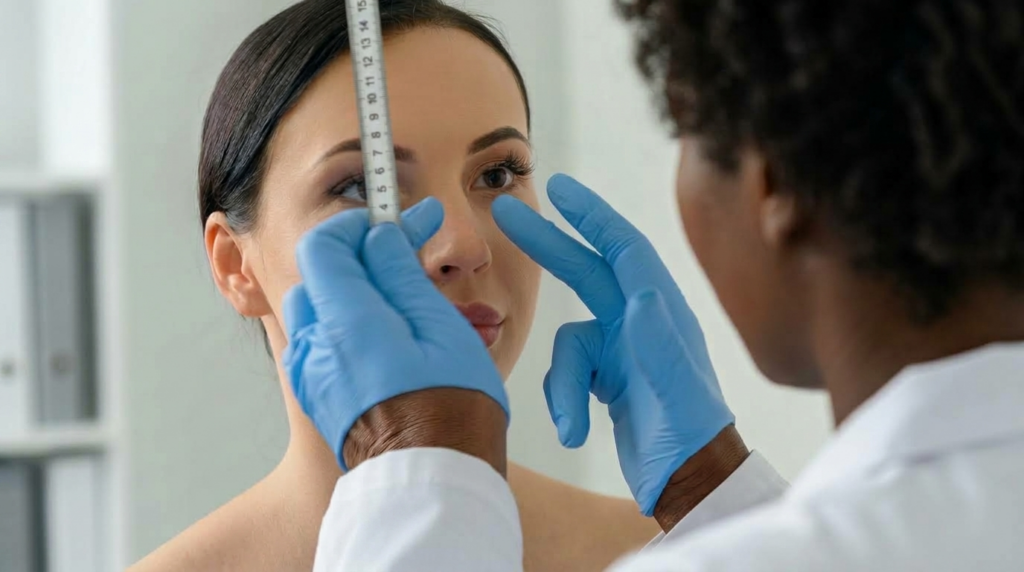
Many people are scared of getting plastic surgery because they associate it with pain, complications, or difficult recovery. These concerns can become stronger after hearing negative stories from friends or online sources. However, every procedure has different risks and recovery requirements. The patient’s health can also influence the overall treatment plan. Therefore, it is important to consider the specific procedure rather than plastic surgery as one category. A medical consultation can explain what the treatment involves. It can also clarify possible benefits, limitations, and recovery expectations. In fact, having accurate information can make the decision process much clearer.
Why do people fear surgical complications?
Fear of complications is one of the most common concerns surrounding surgery. People may worry about infection, bleeding, anesthesia, or an unexpected result. Although these possibilities should be taken seriously, their relevance depends on the procedure. Different operations involve different levels of complexity and recovery. Likewise, individual health factors can influence medical decisions. Patients should discuss their medical history and medications with their healthcare team. They should also ask which complications are possible and how they are managed. Consequently, understanding the specific procedure is more useful than relying on general fears about surgery.
Does getting plastic surgery always mean major surgery?
Not every cosmetic treatment involves extensive surgery. Some procedures are minimally invasive, while others require traditional surgical techniques. The difference can affect recovery time and the type of care required afterward. Furthermore, some people may be candidates for non-surgical alternatives. Scared of getting plastic surgery is therefore not the same as understanding every available option. Patients should learn what their preferred treatment actually involves. A qualified professional can explain the procedure, preparation, recovery, and possible alternatives. This information allows patients to compare options according to their individual circumstances.
Scared of getting plastic surgery? Can online stories increase fear?
Social media and online discussions can strongly influence perceptions of cosmetic surgery. Dramatic complications often receive considerable attention because they are unusual or emotionally striking. However, such stories do not necessarily represent typical outcomes. People may also encounter photographs without knowing the patient’s medical history or treatment details. Therefore, online content should be considered carefully. Reliable medical information should come from qualified professionals and established healthcare sources. Patients can also ask questions during a consultation. In brief, understanding the specific procedure is more useful than forming an opinion from isolated stories.
What makes plastic surgery safer?
People who are scared of getting plastic surgery often want to know how risks can be reduced. Medical evaluation is an important part of that process. Doctors can review health history, medications, previous procedures, and individual goals. The medical team can also determine whether a particular treatment is appropriate. At IBI Plastic Surgery & Med Spa, patients can explore a range of aesthetic procedures in Atlanta. The practice offers options designed around individual aesthetic goals. However, no cosmetic procedure can be guaranteed to be completely risk-free. Therefore, proper evaluation and realistic expectations remain essential parts of responsible care.
What weight-loss treatments does IBI Clinic provide?
At IBI Clinic, medically supervised weight-loss solutions are tailored to individual health needs. Options range from non-surgical and minimally invasive procedures to surgical bariatric treatments. These include Endoscopic Sleeve Gastroplasty, commonly called ESG, and the Gastric Balloon. Surgical options include treatments such as Gastric Bypass. ESG is performed through an endoscope rather than traditional surgical incisions. Gastric Balloon treatment is another non-surgical approach for selected patients. Meanwhile, Gastric Bypass involves surgical changes to the digestive system. The appropriate treatment depends on medical evaluation and individual circumstances. Patients can discuss these options with their healthcare team.
Scared of getting plastic surgery? Try minimally invasive treatments!
Minimally invasive procedures can provide alternatives to some traditional surgical approaches. They generally use smaller access points and may involve less disruption to surrounding tissues. However, the exact advantages depend on the treatment and individual patient. ESG, for example, is performed through an endoscope. Gastric Balloon treatment also avoids conventional surgical incisions. These options can provide alternatives for people who may not want traditional bariatric surgery. Nevertheless, minimally invasive treatments still have potential risks and limitations. Scared of getting plastic surgery should not prevent someone from learning about different treatment approaches. A consultation can explain which options may be appropriate.
What questions should patients ask?
Patients considering cosmetic treatment should ask clear questions before making a decision. They can ask about expected results, possible complications, recovery, and available alternatives. They should also ask what preparation is required before treatment. Furthermore, understanding follow-up care can help patients plan appropriately. Patients should provide complete information about their health and medications. This allows the medical team to make better-informed recommendations. Specifically, patients should ask whether their goals are realistic for the procedure. They should also understand that individual results can vary. Clear communication helps replace uncertainty with practical information.
How can patients prepare if you are scared of getting plastic surgery!
Preparation begins with following the instructions provided by the healthcare team. Patients should disclose medications, previous procedures, and relevant medical conditions. They should also understand any restrictions before and after treatment. Likewise, arranging appropriate support can help during the recovery period. Follow-up appointments are also important because they allow the medical team to monitor progress. Meanwhile, patients should report unexpected symptoms rather than ignoring them. Although preparation cannot eliminate every possible complication, it supports responsible medical care. Consequently, patients should view preparation as part of the entire treatment process.
What should people remember about cosmetic surgery?
People who are scared of getting plastic surgery should remember that every procedure has individual considerations. Cosmetic surgery is not one single treatment with identical risks. Procedures differ in complexity, recovery, and potential complications. Similarly, patients have different health histories and personal goals. Therefore, reliable information should come before any decision. A consultation allows patients to discuss their concerns directly with a qualified medical team. It also provides an opportunity to consider surgical and non-surgical alternatives. In fact, understanding the available choices can make the decision process more informed and realistic.
Can a consultation reduce uncertainty?
A consultation gives patients an opportunity to ask questions about their specific treatment. The medical team can explain what happens before, during, and after the procedure. Patients can also discuss their expectations and concerns. Furthermore, the provider can determine whether the proposed treatment is appropriate. This personalized discussion can clarify information that general online articles cannot provide. Whether someone is considering plastic surgery or medically supervised weight loss, individual evaluation matters. Therefore, patients should seek information from qualified healthcare professionals before making treatment decisions. Understanding both benefits and potential risks can help create realistic expectations.
Contact Us:
Do you have questions or want to learn more about our treatments? At IBI Laser Therapy, we’re here to help. Our team of experienced doctors is ready to provide the guidance and care you need. Contact us today and take the next step toward better health and wellness. Click here to schedule your appointment or request more information.