
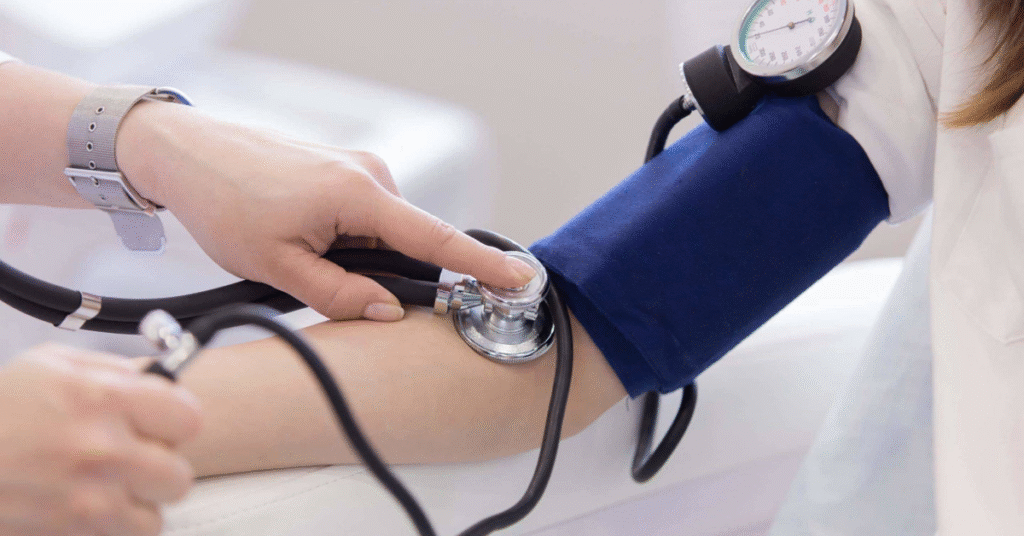
Many Americans searching for fast weight loss solutions often question whether Extreme diets and Blood pressure concerns can safely coexist. High blood pressure is a common condition across the United States, affecting millions of adults. Accordingly, any major dietary change should be approached carefully. Although extreme diets promise quick results, they may not be safe for individuals managing hypertension. Because blood pressure directly affects the heart and blood vessels, nutrition choices carry serious consequences. Therefore, medical supervision becomes essential when considering restrictive or intense eating plans.
Understanding Extreme Diets and Blood Pressure Risks
When evaluating Extreme diets and Blood pressure risks, it is important to define what extreme diets involve. Generally, these diets eliminate entire food groups or drastically cut calories. Some plans focus heavily on protein, while others severely restrict carbohydrates or fats. Although these approaches may produce rapid weight loss, they can stress the body in unexpected ways. Accordingly, individuals with high blood pressure face additional concerns.
High blood pressure already places strain on the cardiovascular system. Because extreme diets may alter fluid balance and mineral levels, they can influence blood pressure readings. For example, sudden reductions in calorie intake may cause dizziness or weakness. Particularly in older adults, this can increase fall risk. Likewise, high protein diets may burden the kidneys. Since kidney health and blood pressure are closely connected, this interaction matters. Therefore, understanding personal health status before adopting drastic measures is critical.
How Extreme Diets and Blood Pressure Interact With Medications
Extreme diets and Blood pressure management often intersect with prescription medications. Many Americans with hypertension rely on daily medication to maintain stable readings. Accordingly, sudden dietary changes can interfere with how these medicines work. Some drugs depend on balanced levels of certain minerals. If a diet sharply increases or decreases those nutrients, effectiveness may change.
For instance, very low sodium diets may enhance the effects of certain medications. On one hand, this could lower blood pressure more effectively. On the other hand, it could cause readings to drop too low. Consequently, symptoms such as fatigue or lightheadedness may occur. Similarly, dehydration from restrictive dieting can concentrate medication in the bloodstream. Because of these factors, medical monitoring is necessary. Doctors can adjust prescriptions gradually as diet changes unfold. In brief, coordination prevents unexpected complications.
Nutritional Imbalances and Heart Health
Extreme diets often focus on rapid results rather than balanced nutrition. However, individuals with high blood pressure require steady and sustainable improvement. Because the heart depends on consistent nutrient supply, drastic imbalances may create additional stress. For example, eliminating healthy fats entirely may affect overall cardiovascular function. Likewise, very low carbohydrate diets may disrupt energy levels.
In the United States, many diet trends circulate through social media. Accordingly, people may follow plans without understanding potential risks. Although testimonials and advertisements appear convincing, they rarely address medical conditions such as hypertension. Therefore, relying solely on online advice can be dangerous. In fact, some individuals experience worsened blood pressure readings after adopting extreme restrictions. Consequently, doctor supervision becomes not only helpful but necessary.
Why Doctor Supervision Is Essential
Medical supervision provides structure and safety when considering significant diet changes. Extreme diets and Blood pressure concerns require individualized evaluation. Generally, doctors begin by reviewing medical history and current medications. They may also assess kidney function and electrolyte balance. Accordingly, this information guides personalized recommendations.
A supervised approach encourages gradual change rather than drastic shifts. Because sudden calorie cuts can shock the body, doctors often suggest moderate adjustments. For example, reducing processed foods and increasing fresh produce is typically safer. Similarly, controlled sodium reduction supports stable progress. In fact, steady improvement often produces better long term outcomes than extreme dieting. Therefore, supervision promotes sustainability and protects against unnecessary risks.
Emotional and Behavioral Considerations
Extreme diets can also influence emotional well being. High blood pressure management requires long term commitment. However, restrictive plans may feel overwhelming. Accordingly, many individuals abandon them quickly. This cycle of restriction and relapse can create frustration. Because stress itself affects blood pressure, emotional strain becomes another concern.
Doctor supervised plans emphasize balance rather than punishment. Specifically, providers can set realistic goals that fit individual lifestyles. In fact, small consistent changes often prove more effective than dramatic transformations. Likewise, regular follow up appointments offer accountability and encouragement. Consequently, patients feel supported rather than isolated in their efforts.
Lifestyle Patterns in the United States
Busy schedules and convenient food options shape American eating habits. Many processed meals contain high sodium levels. Accordingly, individuals with high blood pressure benefit from structured guidance. Extreme diets may promise simple answers, yet they rarely address long term behavior change. Because hypertension develops over years, it requires thoughtful management.
Doctors often recommend practical strategies. For instance, cooking at home more frequently can reduce hidden salt intake. Similarly, choosing whole foods over packaged snacks improves nutrient balance. However, these adjustments should align with medical advice. In brief, realistic plans that consider daily routines are more likely to succeed. Therefore, professional guidance transforms general advice into personalized action.
Long Term Health Implications
Unchecked high blood pressure increases the risk of heart attack and stroke. Consequently, managing it responsibly is essential. Extreme diets may produce short term weight loss, yet long term stability matters more. Because the body thrives on consistency, extreme fluctuations can create additional stress. Accordingly, doctor supervised plans aim for gradual and lasting improvement.
In fact, research consistently supports balanced dietary approaches over restrictive fads. Similarly, preventive care reduces healthcare costs and complications. Therefore, investing time in medical consultation protects both immediate and future health. On one hand, extreme diets may seem appealing. On the other hand, their risks often outweigh temporary benefits for those with hypertension.
Conclusion: Safety First With Extreme Diets and Blood Pressure
In conclusion, Extreme diets and Blood pressure management require careful consideration. Although rapid weight loss plans may promise quick improvements, they can pose significant risks for individuals with high blood pressure. Because medications, kidney health, and heart function interact closely with nutrition, professional supervision is essential. Accordingly, working with a doctor ensures that dietary adjustments support rather than undermine treatment. In brief, balanced and gradual changes provide safer and more sustainable outcomes. Therefore, Americans living with hypertension should prioritize medically guided plans over extreme trends. By focusing on steady progress and informed decisions, long term heart health becomes more achievable.
Contact Us:
To all residents of Tampa, Florida: We’re excited to announce the opening of our new clinic specializing in weight loss. In addition, our clinic offers laser surgery procedures, aesthetic treatments, and more. For information or to schedule an appointment, visit us at IBI Clinic, 5931 Webb Rd, Tampa, FL 33615, or call us today at +1 (813) 499-0044.
Do you have questions or want to learn more about our treatments? At IBI Laser Therapy, we’re here to help. Our team of experienced doctors is ready to provide the guidance and care you need. Contact us today and take the next step toward better health and wellness. Click here to schedule your appointment or request more information.